Why Won’t Insurance Cover Weight Loss Medications? The Real Story Behind Health Care Costs and Obesity Treatment
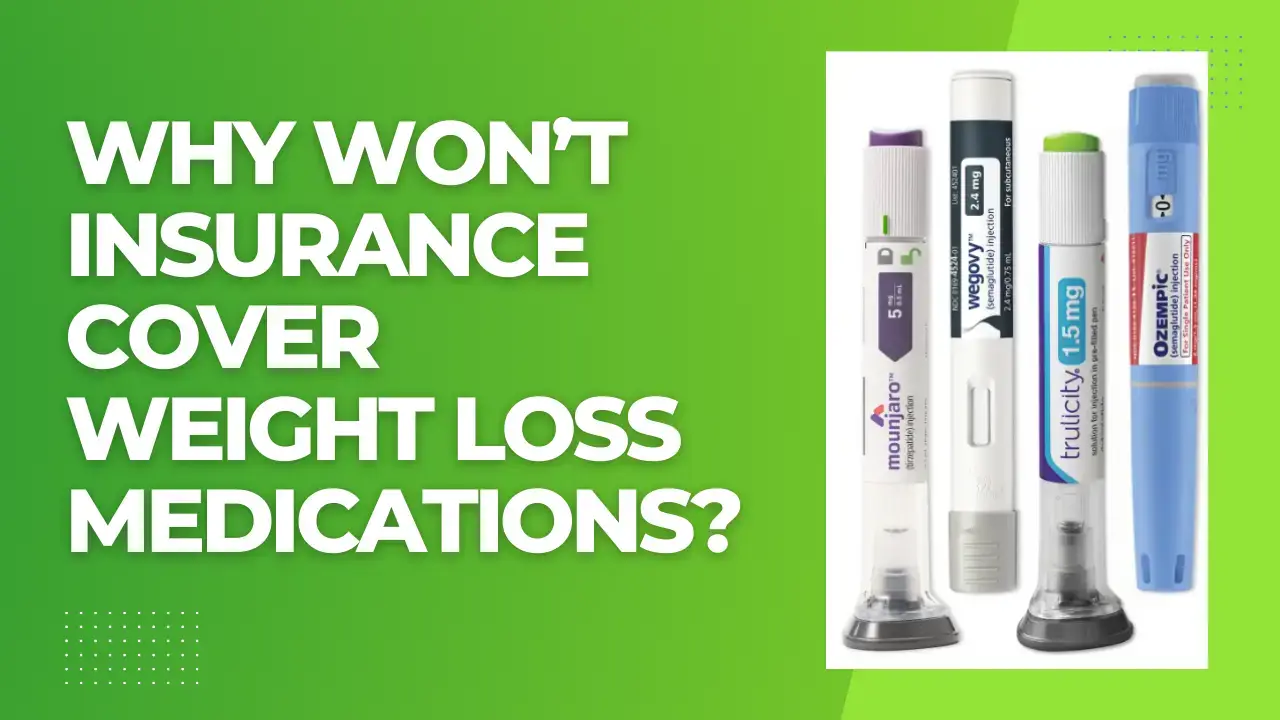
Why won’t my insurance cover weight loss medications?” Despite their health benefits, many insurance companies are reluctant to cover effective obesity treatments like GLP-1 meds.
If you’ve ever tried to get insurance to cover your weight loss medications, you’ve probably encountered frustrating roadblocks. One of the questions I’m asked most often is, “Why won’t my insurance cover my weight loss meds?”
It’s a valid question, especially given how many people struggle with obesity and the serious health conditions that come along with it. In fact, the right weight loss medication can improve your health significantly, reducing your risk for conditions like heart disease, cancer, and diabetes. Yet, despite these benefits, insurance companies are reluctant to pay for treatments that can help people achieve lasting weight loss.
Let’s dive into why insurance coverage for GLP-1 medications is so limited, and what this means for the future of obesity treatment and health care costs.
The Rising Importance of Weight Loss Medications
Weight loss medications are no longer the niche treatment they once were. In the past, medications for obesity were often seen as risky, ineffective, or reserved for extreme cases. However, this perspective has shifted with the development of new, highly effective drugs that are safe and accessible for a wider population.
One of the most promising treatments for obesity today are GLP-1 medications. These drugs, like Wegovy (Semaglutide) and Zepbound (Tirzepatide), have been game changers. They work by mimicking a hormone that helps regulate your appetite, digestion and blood sugar, which can lead to significant weight loss. Unlike older treatments that often had dangerous side effects, these newer medications have been proven to be both safe and effective.
So why aren’t more people able to get insurance coverage for GLP-1 medications?
Insurance Coverage for GLP-1 Medications
The short answer to why insurance companies don’t readily cover GLP-1 medications is that there are a few obstacles in place—some of them financial, some of them legal, and some based on outdated thinking about obesity treatment.
A big part of the problem starts with Medicare. Medicare, which provides health insurance for millions of Americans, is actually prohibited by law from covering weight loss medications. This law dates back to 2003, around the time of the fen-phen scandal, when it was found to cause serious heart problems. The government, responding to safety concerns, decided that Medicare would not cover any weight loss drugs, and this restriction has remained in place ever since.
The irony here is that GLP-1 medications have been shown to be incredibly safe. The risks associated with older drugs like fen-phen are not present with today’s treatments. However, because Medicare doesn’t cover them, many commercial insurance companies have followed suit. This is because a lot of private insurers use Medicare guidelines as a base when determining which treatments they’ll cover.
There is hope that things will change with the Treat and Reduce Obesity Act, which is introduced into Congress every year. This legislation, if passed, would require Medicare to cover obesity medications, which could open the door for broader insurance coverage.
In the meantime, however, many people are left paying out of pocket for their weight loss meds, which can be expensive. And that brings us to the next issue—health care costs.
The True Health Care Costs of Obesity Treatment
One of the main arguments for insurance companies covering weight loss medications is the potential for long-term savings. Obesity is linked to a wide range of health conditions, including heart disease, diabetes, cancer, and stroke. Treating these conditions costs a lot of money, and it’s clear that weight loss can significantly reduce these risks.
So why wouldn’t insurers jump at the chance to cover treatments that could reduce health care costs down the road? The answer, unfortunately, has to do with how insurance companies work.
Most people don’t stick with the same insurance plan for more than a few years. In fact, it’s common for people to switch insurers every one to two years, whether they change jobs or choose a different plan. Insurance companies know this, and they’re reluctant to pay for expensive weight loss medications because they won’t see the benefits. Even if someone loses a significant amount of weight and reduces their risk for chronic diseases, it’s likely they’ll switch to another insurance provider before those savings materialize.
This short-term thinking makes it difficult to convince insurance companies to cover treatments like GLP-1 medications, even though they could reduce health care costs in the long run.
Why the Price of Weight Loss Medications is a Problem
Another factor that complicates insurance coverage for weight loss medications is the high cost of these drugs. Medications like Wegovy and Zepbound can cost hundreds or even thousands of dollars per month.
When you look at the overall cost of treating obesity with these medications, the numbers are staggering. It’s been estimated that covering these drugs for everyone who qualifies could cost around a trillion dollars. While weight loss might lead to reduced health care costs (estimates suggest a reduction of around $250 billion), the current prices of the medications mean that the math doesn’t quite add up for insurance companies. They’d still be losing money, at least in the short term.
The key to resolving this problem is to bring down the cost of these medications. If the price drops substantially, it would make much more financial sense for insurance companies to cover them. And there’s hope that as more pharmaceutical companies develop their own versions of these drugs, competition will drive prices down.
The Future of Insurance Coverage for Weight Loss Medications
So, where does this leave us? If you’re someone who could benefit from weight loss medications but can’t get insurance to cover them, it’s understandable to feel frustrated. However, there are reasons to be optimistic about the future.
First, federal health plans have already started covering these medications. If you’re a federal employee, you may already have coverage for Wegovy. This is a promising first step, and it could pave the way for Medicare to eventually cover these drugs as well.
Second, as I mentioned earlier, the Treat and Reduce Obesity Act could change the game if it’s passed. There is bipartisan support for this legislation, and with the increasing recognition of obesity as a disease, we may see changes in the near future.
Finally, as more people start using GLP-1 medications and more studies show their effectiveness, there will be increasing pressure on insurance companies to cover them. We’re already seeing shifts in how obesity is treated, and as the conversation around health care costs continues to evolve, insurance companies may be forced to rethink their stance on these treatments.
In Conclusion
The path to getting insurance to cover weight loss medications is still full of hurdles, but there’s hope on the horizon. As the cost of these medications comes down and more people recognize the long-term benefits of obesity treatment, we may start to see insurance companies changing their approach. For now, it’s a waiting game, but one that could pay off in the future.
If you’re someone who’s trying to manage your weight and improve your health, the good news is that effective treatments are available. The challenge is in making sure that everyone who needs these medications has access to them, regardless of the obstacles put in place by insurance companies. Which is why we offer “creative dosing strategies” to help lower the costs of these medications for as many patients as possible.
The Pound of Cure Platinum Program
To help you get access to expert weight loss care, and GLP-1 medications in the most cost-efficient way possible, we created the Pound of Cure Platinum Program.
Our program allows most patients to save at least 50% (and often more) off the cost of their GLP-1 medications. Our program allows you to use real GLP-1 medications (not compounded), and takes advantage of inefficiencies in our medication pricing system.
Sign up for our free webinar
The Platinum Program allows you unlimited access to Dr. Weiner and Zoe to ensure that your medications are prescribed to maximize weight loss efficiency and minimize side effects. You can meet with Zoe as often as you’d like to ensure that you’re also making the important nutritional changes necessary for long term success and comfort.
The Pound of Cure team will be fully dedicated to your success and do everything possible to help you change your lifestyle and obtain any medications necessary in the safest and most affordable way.
The Pound of Cure Platinum Program Includes
- Unlimited visits and portal messages with Dr. Weiner without additional copays or charges
- Unlimited group and individual sessions with Zoe
- Any prescriptions necessary and guidance on how to reduce your prescriptions costs
- Access to our insurance concierge service for GLP-1 medication coverage if you want to use your insurance
- Access to the Pound of Cure Weight Loss app that includes Sage, an AI dietitian trained to create meal plans and recipes based on your food preferences
- Access to our unique caloratio food logging system
Pricing
- It’s simple. Get started with a $75 consult. No surprises. No commitment if you decide not to continue.
Your Initial Consultation Includes:
- Your visit with Dr. Weiner
- Review of medical history
- Personalized treatment plan
- Credit towards your program fee if you choose to continue
- No surprise bills
If You Choose To Move Forward:
- $129/month for the first six months and then $59/month
- Most patients are able to access GLP-1 medications for between $150-$300/month
- $99 rejoin fee for past members
- Cost does not include medication