Weight Loss Surgery vs GLP-1 Medication: How to Choose for Lasting Results
Explore the pros and cons of weight loss surgery vs GLP-1 medication, covering cost, nutrition, insurance, and the metabolic reset diet for sustainable success.
With obesity rates at an all-time high, many people are weighing the pros and cons of weight loss surgery vs GLP-1 medication for significant, lasting results. From cost and insurance coverage to nutrition planning and the revolutionary Metabolic Reset Diet, understanding your options is key to making an informed decision for your health. This guide dives into current evidence and expert discussion on which approach works best, when, and why—so you can find a strategy that’s right for you.
Key Takeaways
- Understanding the effectiveness and cost of weight loss surgery vs GLP-1 medication
- Navigating the real costs: How much does weight loss medication cost?
- Optimizing results: The best nutrition plan after bariatric surgery
- Insurance insights: Does insurance cover weight loss medications?
- Metabolic reset diet explained: A cornerstone for sustainable success
Understanding the Effectiveness and Cost of Weight Loss Surgery vs GLP-1 Medication
When considering weight loss surgery vs GLP-1 medication, success rates and expenses are top concerns. Bariatric surgeries such as gastric bypass and sleeve gastrectomy have a long track record, with modern laparoscopic techniques driving down complication rates to as low as 1% in major centers. Significant weight loss—often 25% or more of total body weight—can be maintained for years, reducing or even resolving obesity-related conditions.
GLP-1 medications (like Wegovy, Ozempic, and Zepbound) are newer options that reduce appetite and improve metabolism. Clinical trials show an average of 15–20% total body weight loss, which rivals milder surgeries. However, medications typically require long-term or lifelong use to maintain results, while surgery permanently alters metabolism and appetite regulation. Recent studies have found bariatric surgery to be more cost-effective in the long term than GLP-1 receptor agonist medications, supporting a stepwise treatment approach.
When cost is compared, surgery often appears daunting upfront (ranging from $10,000–$25,000 without insurance) but can be more affordable over time. GLP-1 prescriptions can cost $800–$1,200/month (sometimes less with discounts or insurance), adding up to tens of thousands of dollars over a lifetime. Many providers find a stepwise combination of approaches (medication first, then surgery if needed, with nutrition support throughout) creates the most sustainable outcomes.
Navigating the Real Costs: How Much Does Weight Loss Medication Cost?
The steep monthly expense of GLP-1 medications is a barrier for many. Production costs are low (estimates suggest $20–$30 per dose), but retail prices are much higher: Zepbound, for example, lists for around $550/month with a coupon, while others may run $800–$1,200. Supply shortages can further spike prices and limit access. According to recent economic analyses, medications like Wegovy and Ozempic are priced over $1,300 per month, putting them out of reach for many who could benefit the most.
Some patients manage costs through manufacturer coupons, assistance programs, or specialty pharmacies. Practices may offer bundled packages including medical supervision and nutrition counseling, sometimes lowering average monthly expenses to a few hundred dollars. Still, these costs add up, and it’s important to balance long-term affordability with sustainable weight management.
Optimizing Results: The Best Nutrition Plan After Bariatric Surgery
Regardless of which pathway you choose, long-term success depends on nutrition. Immediately after surgery, focus is on protein to support healing; but as recovery continues, produce (vegetables and fruits), hydration, and whole, minimally processed foods become most important.
Key components of the best nutrition plan after bariatric surgery include:
- Transitioning from protein shakes to whole foods within a few weeks
- Prioritizing vegetables and plant-based proteins for long-term health
- Developing sustainable habits—like morning walks and meal planning—rather than quick fixes
- Working with a Registered Dietitian for ongoing accountability and education
Clinical guidelines from centers like UCSF recommend high-protein, low-calorie supplementation initially, along with vitamin and mineral support, to promote healing and long-term health.
Remember, success is measured in years, not weeks. The journey is rarely linear, and support (from both professionals and community) is crucial.
Insurance Insights: Does Insurance Cover Weight Loss Medications?
Insurance coverage for weight loss medications is complex and inconsistent. Medicare does not cover medications prescribed specifically for weight loss, and only a limited number of commercial insurance plans include GLP-1 coverage. Many patients end up paying out-of-pocket or use medications “off-label”—for example, using drugs approved for diabetes to treat obesity when evidence supports their use.
To determine your own coverage, contact your insurance provider’s pharmacy benefit line and ask specifically about your plan’s policy on GLP-1 weight loss medications. Bringing a list of questions—or using online tools and quizzes from reputable clinics—can help streamline the process. For more detailed insurance navigation, see Does Insurance Cover Weight Loss Medications? What You Need to Know.
When insurance is unavailable, ask about self-pay options or assistance programs that can help make these medications affordable. Helpful tips for navigating coverage are available from resources like HIDRB.
Metabolic Reset Diet Explained: A Cornerstone for Sustainable Success
The Metabolic Reset Diet is designed for long-term health rather than temporary weight loss. Unlike fad diets that focus on cutting calories or macronutrients to extremes, this approach centers on nutrient-rich, unprocessed foods (especially vegetables, lean proteins, and whole grains). The goal: support healthy metabolism, reduce hunger, and make weight management easier for the long haul.
Key features of this diet include:
- Emphasis on whole, unprocessed foods that limit hormonal swings and neurochemical triggers for overeating
- Balanced meals with enough fiber and protein to promote satiety
- Flexibility so you’re not overwhelmed—start by adding more vegetables, for example, and progress to other healthy habits over time
- Integration with both medical and surgical weight loss strategies to maximize results
Many successful programs combine nutrition, medication, and surgery options in a stepwise, personalized manner. The Metabolic Reset Diet provides a foundation no matter which tools you use on your journey.
Making the Right Choice for You
The landscape of obesity treatment continues to evolve. Today, patients have access to a comprehensive toolkit: effective surgery options, powerful new medications, thoughtful nutrition programs, and expert support through apps and communities. The best outcomes often come from an individualized, integrated approach that adapts to your needs at each step.
If you’re weighing weight loss surgery vs GLP-1 medication, take time to learn about each path, explore your insurance and financial options, and partner with a knowledgeable medical and nutrition team trained in the latest evidence-based strategies. Your journey is as unique as you are—and you deserve every advantage on the road to lasting success.
Bariatric Surgery
For patients interested in Weight Loss Surgery, Dr. Weiner has performed over 4,000 Bariatric procedures and has one of the lowest complication rates in the state, with patients from all across the U.S. Our extensive preoperative program is outdone only by our lifelong postoperative support!
At the Pound of Cure, we don’t just operate and send you on your way.
Our motto is: “We’re here for every step of your weight loss journey.”
For patients interested in Weight Loss Surgery, Dr. Weiner has performed over 4,000 Bariatric procedures and has one of the lowest complication rates in the state, with patients from all across the U.S. Our extensive preoperative program is outdone only by our lifelong postoperative support! At the Pound of Cure, we don’t just operate and send you on your way.
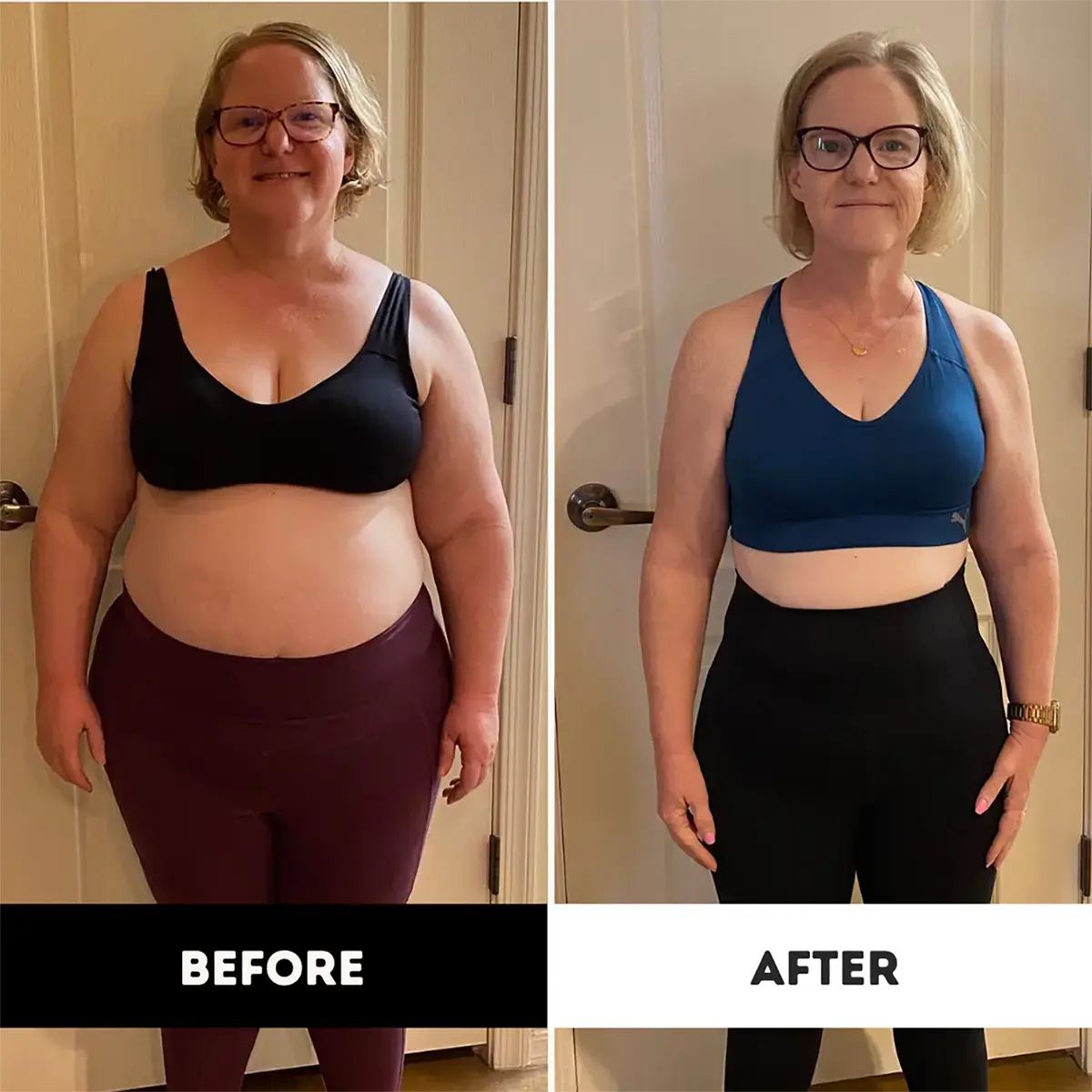
How Much Weight Will You Lose After Bariatric Surgery? Take Our Quiz
.jotform-iframe { min-width:100%; max-width:100%; border:none; padding:0px; @media only screen and (max-width: 768px) { min-height:650px; height:650px; margin-top:-75px!important; } @media only screen and (min-width: 769px) { min-height:500px; height:500px; }
window.jotformEmbedHandler(“iframe[id=’JotFormIFrame-242017094653151’]”, “https://form.jotform.com/”)
About Dr. Weiner
He is currently the Medical Director for Bariatric Surgery at Tucson Medical Center and also the chairman of the Surgical Department. He is committed to ensuring that you get through your surgery with as little discomfort and difficulties as possible.
Expertise
Low complication rate, minimal postoperative pain and discomfort.
Safety
Dr. Weiner is committed to your safety and has developed a postoperative pathway that ensures a rapid recovery and minimal complications.
Dr. Weiner’s care extends far beyond the operating room. He and his team provide comprehensive, life-long support to help you maintain your weight loss and overall health. This includes personalized nutritional counseling, ongoing follow-up appointments, and access to his extensive library of educational materials that help you stay on track with your goals. His commitment to your long-term success is evident in the amount of support and guidance that you’ll receive throughout your journey.
Comprehensive Support
Ongoing nutritional counseling and follow-up care
Life-Long Partnership
Dedicated to your long-term success and well-being.
A leader in obesity treatment, Dr. Weiner also specializes in the use of GLP-1 medications to optimize patient care. He will use these medications preoperatively to determine whether surgery is necessary and postoperatively, if necessary, to minimize the risk of weight regain after surgery. By combining medical and surgical interventions, Pound of Cure Weight Loss can help you maximize your postoperative weight loss and ensure long-term success.
GLP-1 Expertise
Uses GLP-1 medications to assess the need for surgery and prevent weight regain.
Holistic Approach
Combines medical and surgical treatments for optimal results.
Navigating the insurance process can be daunting, but Dr. Weiner’s team is here to help. They work closely with you to secure insurance authorization, making sure you have the coverage you need for your procedure and helping to keep the cost as low as possible. Their expertise in dealing with insurance providers ensures a smoother, less stressful preoperative experience, allowing you to your upcoming surgery.
Insurance Assistance
Expert help with obtaining insurance authorization
Stress-Free Experience
Focus on your preparation while we handle the paperwork.