Wegovy Side Effects: What a Bariatric Surgeon Wants You to Know Before Starting
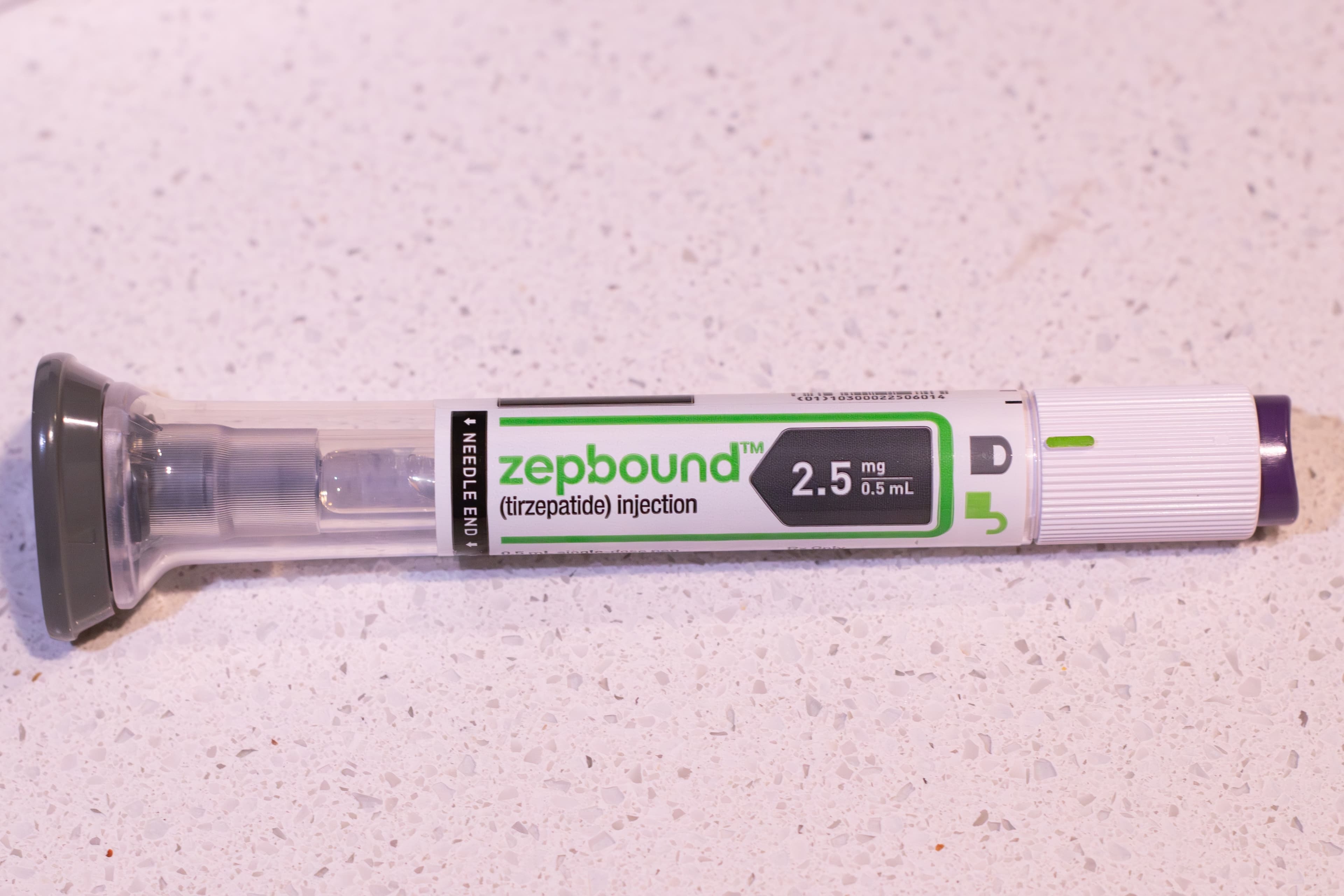
Wegovy side effects are mostly gastrointestinal and tend to improve over time, but patients should understand both common and serious risks before starting treatment. This guide also covers Zepbound savings card details and how to compare your options.
The Short Answer on Wegovy Side Effects
Wegovy (semaglutide) is one of the most effective weight loss medications available, but it comes with a predictable set of side effects that every patient should understand before starting. The most common Wegovy side effects are gastrointestinal: nausea, vomiting, diarrhea, constipation, and abdominal pain. These affect roughly 40-70% of patients in the first few weeks, though they typically improve with time and proper dose escalation. In my 20+ years of treating patients with obesity and performing over 4,000 bariatric surgeries, I have seen these medications transform lives. But I have also seen patients quit too early because nobody prepared them for what the first month would feel like.
This article will walk you through the full picture of Wegovy side effects, how they compare to other GLP-1 medications, practical strategies for managing them, and how tools like the Zepbound savings card can make these treatments more accessible.
What Are the Most Common Wegovy Side Effects?
The clinical trials for Wegovy (the STEP trials) give us solid data on what to expect. Here is a breakdown of the most frequently reported side effects:
- Nausea: 44% of patients (vs. 18% on placebo)
- Diarrhea: 30% of patients
- Vomiting: 24% of patients
- Constipation: 24% of patients
- Abdominal pain: 20% of patients
- Headache: 14% of patients
- Fatigue: 11% of patients
- Dyspepsia (indigestion): 9% of patients
These numbers might look alarming, but context matters. Most of these side effects are mild to moderate. In the STEP 1 trial published in the New England Journal of Medicine (2021), only about 7% of participants on semaglutide discontinued treatment due to gastrointestinal side effects. That means the vast majority of people who experienced nausea or other symptoms were able to push through, usually because the symptoms faded within a few weeks.
Why Does Wegovy Cause Nausea?
Semaglutide works by mimicking a hormone called GLP-1, which your body naturally produces after eating. GLP-1 does several things: it stimulates insulin release, suppresses glucagon, and slows gastric emptying. That last mechanism is the main reason for the nausea.
When your stomach empties more slowly, food sits in there longer than your body is used to. Your brain interprets that as a signal that something is off, and you feel queasy. It is essentially the same reason people feel nauseated after eating too much at Thanksgiving, except it is happening with smaller portions.
The good news is that your body adapts. The GLP-1 receptor desensitizes somewhat over time, and the nausea response diminishes. This is also why the dosing protocol starts low (0.25 mg weekly) and increases gradually over 16 weeks to the full 2.4 mg dose.
Serious Wegovy Side Effects You Should Know About
Most Wegovy side effects are annoying but not dangerous. However, there are some less common but more serious concerns:
Pancreatitis
Acute pancreatitis has been reported in patients taking GLP-1 receptor agonists, including semaglutide. The absolute risk is low, but if you develop severe, persistent abdominal pain that radiates to your back, especially with vomiting, you need to seek emergency care immediately and stop the medication.
Gallbladder Disease
Rapid weight loss from any cause increases the risk of gallstones, and Wegovy is no exception. The STEP trials showed higher rates of gallbladder-related events in the semaglutide group compared to placebo. This is not unique to the medication itself. It is a consequence of significant weight loss, which is why we see the same thing after bariatric surgery.
Thyroid Tumors
In animal studies, semaglutide caused thyroid C-cell tumors in rodents. This has not been confirmed in humans, but the FDA requires a boxed warning about it. Wegovy is contraindicated in patients with a personal or family history of medullary thyroid carcinoma or Multiple Endocrine Neoplasia syndrome type 2 (MEN 2).
Kidney Injury
Dehydration from vomiting or diarrhea can lead to acute kidney injury, particularly in patients who already have compromised kidney function. Staying hydrated is not just general wellness advice with these medications. It is medically necessary.
Mental Health Effects
The FDA has been evaluating reports of suicidal ideation in patients taking GLP-1 medications. As of now, a direct causal link has not been established, but I discuss this with every patient. If you notice significant mood changes, depression, or thoughts of self-harm while taking Wegovy, contact your doctor right away.
How to Minimize Wegovy Side Effects
After prescribing these medications to hundreds of patients, I have developed a set of practical recommendations that make a real difference:
Eat Smaller Portions
This sounds obvious, but it is the single most important thing you can do. Your stomach is emptying more slowly now. If you eat the same volume you ate before, you will feel terrible. Think of it this way: your stomach’s capacity has not changed, but its processing speed has. Adjust accordingly.
Avoid Fatty and Fried Foods
Fat takes longer to digest than protein or carbohydrates. When you add slow-digesting fat to an already slow-emptying stomach, you are compounding the problem. Lean proteins, vegetables, and moderate portions of complex carbohydrates tend to be much better tolerated.
Stay Hydrated, But Sip Instead of Gulping
Drinking large amounts of fluid at once can worsen nausea when gastric emptying is delayed. Small, frequent sips throughout the day work much better than chugging a water bottle.
Do Not Skip the Dose Escalation Steps
I have seen patients try to jump to higher doses faster because they want quicker results. This almost always backfires. The gradual dose escalation exists specifically to let your body adapt. Respect it.
Time Your Injection Strategically
Some patients find that injecting Wegovy in the evening before bed helps them sleep through the worst of the initial nausea. Others prefer morning injections. There is no universal best time, but experimenting with timing can help.
Consider Anti-Nausea Support
For patients with significant nausea, I sometimes recommend over-the-counter options like ginger supplements or, in more severe cases, prescribe ondansetron (Zofran). Talk to your prescribing physician about this if nausea is limiting your ability to continue treatment.
Wegovy vs. Zepbound: Do Side Effects Differ?
Zepbound (tirzepatide) is the other major player in the prescription weight loss medication space. While Wegovy targets only the GLP-1 receptor, Zepbound is a dual agonist that targets both GLP-1 and GIP receptors. You might expect that hitting two receptors would mean more side effects, but the clinical data tells a slightly different story.
The SURMOUNT trials for tirzepatide showed similar rates of gastrointestinal side effects compared to the STEP trials for semaglutide. Some patients who could not tolerate one medication have done well on the other. In my practice, when a patient has significant side effects on Wegovy, switching to Zepbound (or vice versa) is a reasonable strategy before giving up on GLP-1 medications entirely.
The weight loss results are also worth comparing. The SURMOUNT-1 trial showed average weight loss of up to 22.5% of body weight with the highest dose of tirzepatide, compared to about 15% with semaglutide 2.4 mg in the STEP 1 trial. These are not head-to-head numbers, and patient selection differed between trials, but the trend favoring tirzepatide for weight loss has been consistent.
How Does the Zepbound Savings Card Work?
One of the biggest barriers to these medications is cost. Without insurance coverage, Wegovy and Zepbound can run over $1,000 per month. This is where the Zepbound savings card becomes relevant for many patients.
Eli Lilly, the manufacturer of Zepbound, offers a savings card program that can significantly reduce out-of-pocket costs. Here are the key details:
- For patients with commercial insurance: The Zepbound savings card can reduce your copay to as little as $25 per month for up to 12 months. This applies if your insurance covers Zepbound but your copay is still high.
- For patients without insurance coverage: Eli Lilly has periodically offered programs where uninsured or underinsured patients can access Zepbound at reduced rates, though these programs change frequently. Check the official Zepbound website or ask your pharmacy for the most current offers.
- Who does NOT qualify: Patients using Medicare, Medicaid, or other government-funded insurance are not eligible for the commercial savings card. This is a federal regulation, not a choice by the manufacturer.
To use the Zepbound savings card, you typically download it from the Zepbound website, present it at your pharmacy along with your prescription, and the discount is applied at the point of sale. The process is straightforward, but I always tell patients to verify their eligibility before assuming they will get the discount.
Wegovy also has its own savings program through Novo Nordisk, with similar eligibility restrictions. Comparing the out-of-pocket costs between the two medications after applying available discounts is a smart step before committing to one or the other.
When Should You Consider Bariatric Surgery Instead?
I prescribe these medications regularly, and I also perform bariatric surgery. I am not in the business of pushing one over the other. But I am honest with patients about the tradeoffs.
GLP-1 medications like Wegovy and Zepbound work well, but they require ongoing use. When patients stop these medications, studies show that most regain a significant portion of the weight they lost within a year. This means you are potentially committing to a medication for life, along with its costs and side effects.
Bariatric surgery, by contrast, produces durable weight loss that is maintained in the majority of patients at 10 and even 20 years. For patients with a BMI over 35, or a BMI over 30 with obesity-related health conditions, surgery remains the most effective long-term treatment we have.
The best approach depends on your individual situation: your BMI, your health conditions, your tolerance for surgery versus chronic medication, and your financial circumstances. This is exactly the kind of decision that benefits from a detailed conversation with a physician who understands both options.
What About Using Wegovy After Bariatric Surgery?
This is increasingly common in my practice. Some patients who had bariatric surgery years ago and have experienced weight regain benefit from adding a GLP-1 medication. The side effect profile can be a bit different in post-surgical patients because their anatomy is already altered, but in general, these medications are well tolerated in this population.
If you have had bariatric surgery and are considering Wegovy or Zepbound, work with a surgeon or physician who understands post-surgical physiology. The dosing and monitoring considerations can differ from those for non-surgical patients.
The Bottom Line
Wegovy side effects are real, but they are manageable for most people. The gastrointestinal symptoms that dominate the first few weeks usually improve, and there are concrete strategies to reduce their severity. Serious side effects are uncommon but important to understand before starting treatment.
If cost is a concern, programs like the Zepbound savings card can make a meaningful difference, and it is worth comparing the financial picture of Wegovy versus Zepbound before deciding.
My recommendation: talk to a physician who has experience with both weight loss medications and surgical options. You want someone who can give you an unbiased assessment of what will work best for your specific situation, not someone who only offers one tool. If you are in the Tucson area and want to discuss your options, I am happy to help you think through this decision with the full picture in mind.