The Vegan Health Halo: How Processed Vegan Food and Vegan Junk Food Can Lead to Weight Gain
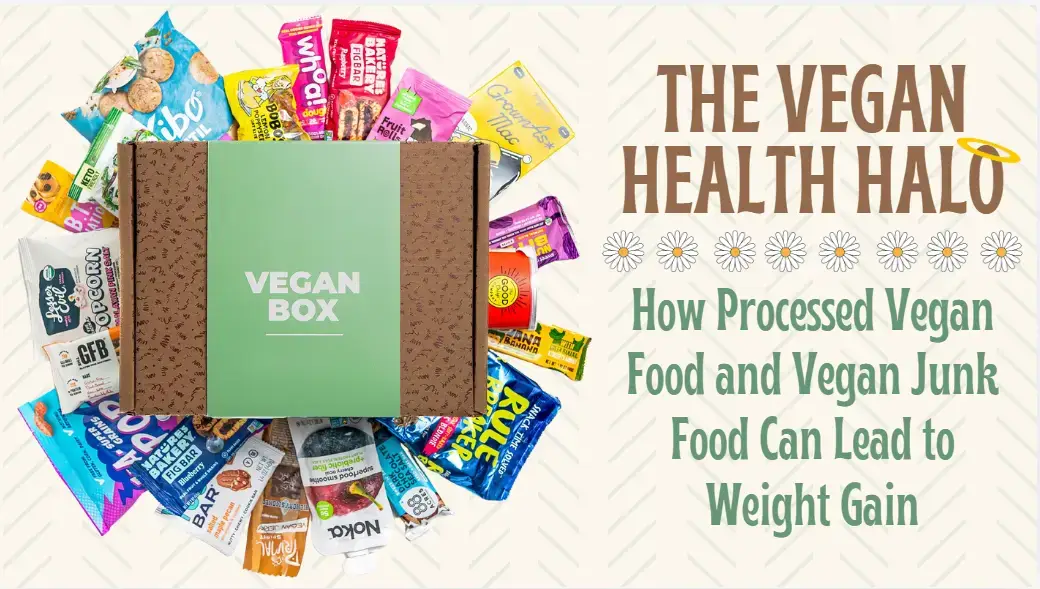
“Vegan health halo” often misleads people into believing all vegan products are healthy. Learn the truth about processed vegan food and how to make better choices.
The vegan movement has long been associated with health, wellness, and sustainability. When we hear the term “vegan,” we often think of plant-based meals full of fresh fruits, vegetables, and legumes. However, a growing trend of processed vegan food and vegan junk food is creating a misleading sense of health, known as a vegan health halo. This phenomenon often convinces people that simply because a product is vegan, it must be good for you. But is that really the case? Let’s explore the concept of the vegan health halo, its impact on your health, and how to make more informed choices.
What is the Vegan Health Halo?
The term health halo refers to the perception that a food is healthy based on one or two factors, such as being vegan, gluten-free, or organic. However, these labels do not automatically equate to better health. A vegan health halo occurs when processed vegan foods are marketed as being healthy simply because they are plant-based, regardless of their actual nutritional content.
Many people fall into this trap, believing that as long as they stick to vegan products, they are making healthier choices. Unfortunately, this isn’t always the case. Vegan products can be just as processed and unhealthy as their non-vegan counterparts. Common examples include vegan cookies, chips, snacks, and frozen meals, which often contain high levels of sugar, sodium, and unhealthy fats.
Processed Vegan Food: A Hidden Danger
Processed vegan food has gained massive popularity, but many people don’t realize that it’s just as capable of sabotaging their health as non-vegan processed foods. Brands like Trader Joe’s, known for their wide range of vegan snacks, are often seen as health-forward stores. Yet, just because a product comes from a store like Trader Joe’s or Whole Foods doesn’t automatically make it healthy.
For example, vegan gummy candies, cookies, or even vegan “meats” often contain long ingredient lists filled with additives, preservatives, and high amounts of added sugars and fats. As Zoe, the registered dietitian for Pound of Cure Weight Loss, mentioned in a recent conversation, “Just because it says it’s organic or vegan doesn’t mean it’s healthy.” Some individuals following a vegan diet may notice unexpected weight gain, especially if they rely on highly processed vegan snacks. In fact, one of Zoe’s clients had been vegan for two decades but started gaining significant weight in recent years due to the consumption of processed vegan snacks from Trader Joe’s.
Processed vegan food is often loaded with sugar, which, as Zoe pointed out, is still vegan but can be highly detrimental to your health. It’s crucial to read ingredient labels carefully to ensure that you’re not simply consuming vegan versions of junk food.
Where do I go wrong with my diet?
window.jotformEmbedHandler(“iframe[id=’JotFormIFrame-241925800481051’]”, “https://form.jotform.com/”)
The Rise of Vegan Junk Food
While it’s easy to associate veganism with clean eating, the reality is that vegan junk food is everywhere. Vegan cookies, chips, ice cream, and even candy have become staples in grocery stores. These products are usually high in sugar, sodium, and unhealthy fats, and many are made with refined carbohydrates that provide little nutritional value.
For example, faux meats, like vegan burgers, often have a long list of ingredients that include processed oils, chemicals and other additives to enhance flavor and texture. Although these alternatives can be a great occasional option for those avoiding animal products, relying on them regularly can be detrimental to your health goals. Moreover, vegan junk food like cookies or chips may be free from animal products but still pack a high-calorie punch with little to no nutrients.
Consider the popular sweetener brown rice syrup, often used in gluten-free and vegan products. While it may sound like a healthier alternative to sugar, it’s still a form of processed sugar and can spike blood glucose levels just as much as traditional sweeteners. Vegan doesn’t necessarily mean healthy, and choosing products like gluten-free cookies that are loaded with brown rice syrup can contribute to weight gain and poor metabolic health.
Vegan Health Halos at Your Favorite Stores
Stores like Trader Joe’s have mastered the art of marketing, creating a perception that their products are healthier than those sold elsewhere. However, as Dr. Weiner pointed out, “Trader Joe’s is great, but the layout encourages buying more snacks.” Their marketing strategies create a sense of trust, but in reality, many of their vegan products are highly processed and not much different from what you’d find at other grocery chains.
For instance, you might find vegan peanut butter pretzels at Trader Joe’s and assume they are a better option than regular snacks. But these pretzels typically have most of the same ingredients as non-vegan versions sold at other stores like Costco, just with different packaging. As Dr. Weiner explains, it’s essential to read the labels and remember that being vegan or organic doesn’t automatically make a product healthy.
The Impact of Processed Vegan Food on Your Health
Relying on processed vegan food can have a serious impact on your health, even if you’ve cut out animal products. Weight gain, poor metabolic health, and increased risk of conditions like diabetes can occur when processed foods dominate your diet. These foods, often marketed as health foods, can derail your progress, leading to frustration, particularly for those who think they’re making healthy choices.
Vegan foods that contain artificial ingredients, preservatives, and added sugars can spike insulin levels, cause weight gain, and increase food noise—a term we use to describe overwhelming food cravings. If your goal is to lower your metabolic setpoint and achieve long-term health, focusing on whole, unprocessed foods is critical.
How to Avoid the Vegan Health Halo Trap
Avoiding the vegan health halo means becoming a more mindful shopper and eater. Here are some practical tips to help you avoid falling into the trap of vegan junk food:
- Read the Ingredient List: Just because a product is vegan doesn’t mean it’s healthy. Look for short ingredient lists with whole foods that you recognize.
- Avoid Highly Processed Vegan Snacks: Vegan chips, cookies, and candy should be very occasional treats, not everyday staples. Opt for whole, plant-based snacks like fruits, vegetables, nuts, and seeds.
- Be Wary of Faux Meats: While faux meats like vegan burgers and sausages can be convenient, they are often highly processed and can contain chemicals, additives and high levels of sodium and saturated fat. Use them sparingly, and when possible, opt for plant-based proteins like beans, lentils, and tofu.
- Limit Sugary Vegan Treats: Sweeteners like brown rice syrup may sound healthy, but they are still processed sugars that can cause weight gain. If you’re looking for a sweet fix, choose natural sources like fruit.
- Focus on Whole Foods: The best way to ensure that you’re eating a healthy vegan diet is to focus on whole, unprocessed foods. This includes fruits, vegetables, legumes, nuts, and seeds. These foods will not only help you maintain a healthy weight but will also provide essential nutrients for optimal health.
Conclusion: Rethinking the Vegan Health Halo
The idea that all vegan food is healthy is a dangerous misconception. While veganism offers many health benefits, it’s crucial to differentiate between whole plant-based foods and processed vegan food or vegan junk food. By becoming a more informed consumer, reading labels, and prioritizing whole foods over processed snacks, you can enjoy the benefits of a vegan diet without falling victim to the vegan health halo. Remember, just because it’s vegan doesn’t mean it’s a free pass to eat without consequences. Focus on quality, not just labels, to truly thrive on a plant-based diet.