Protein or Produce for Weight Loss?
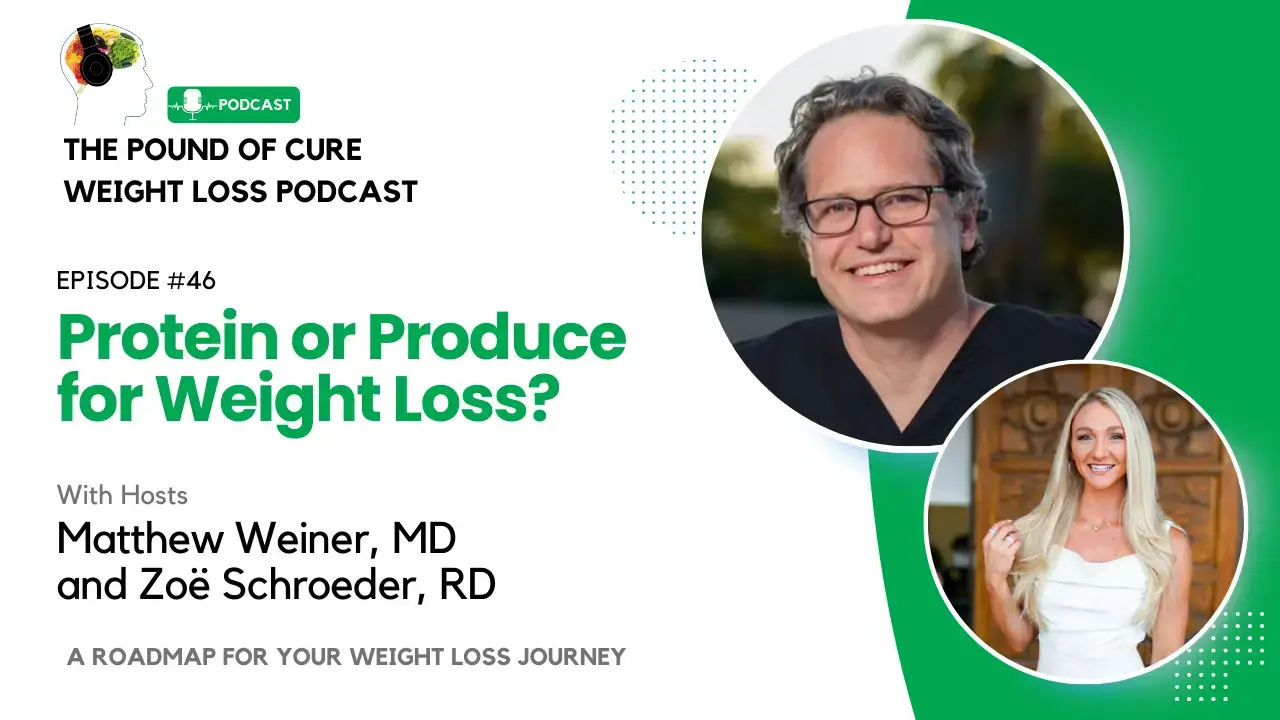
Dr. Weiner and Zoe discuss GLP-1 meds, weight loss surgery options, and sustainable obesity treatments on this Pound of Cure podcast episode.
In this episode of the Pound of Cure Weight Loss podcast, Dr. Weiner and Zoe explore the key strategies and medical options available for weight loss, focusing on GLP-1 medications, a comparison between gastric bypass and sleeve gastrectomy, and effective obesity treatment plans. This episode provides valuable insights for individuals exploring weight loss surgery, those using GLP-1 medications, and anyone interested in long-term, sustainable weight management.
GLP-1 Medications and Their Role in Obesity Treatment
The episode starts with an in-depth discussion about GLP-1 medications, such as Wegovy (semaglutide) and Zepbound (tirzepatide). Dr. Weiner explains that these medications represent a significant development in the medical treatment of obesity. GLP-1 medications work by modifying hormonal pathways that regulate hunger, fullness, and metabolism, thereby influencing the body’s internal set point for weight. Rather than simply curbing appetite, these medications help adjust how the body manages energy and fat storage, making weight loss more achievable and sustainable over time.
Dr. Weiner emphasizes that while GLP-1 medications can be highly effective, they are most beneficial when combined with a structured nutrition program and, when appropriate, surgical intervention. He notes that addressing obesity often requires a multi-faceted approach that goes beyond medication alone. Zoe adds that integrating these medications into a comprehensive weight management strategy that includes lifestyle changes is key for long-term success.
Gastric Bypass vs. Sleeve Gastrectomy: What’s the Difference?
One of the central discussions of this episode is the comparison between Gastric Bypass vs. Sleeve Gastrectomy. Dr. Weiner explains the key differences, benefits, and considerations for each procedure, helping listeners understand which option might be best suited for their specific situation.
Gastric Bypass: This procedure involves rerouting the digestive system, creating a small stomach pouch that is connected directly to the small intestine. Dr. Weiner explains that gastric bypass tends to result in greater weight loss and has a strong track record for addressing severe GERD (Gastroesophageal Reflux Disease). For patients who experience significant acid reflux, gastric bypass is often the preferred option since it bypasses the portion of the stomach that makes digestive enzymes.
Sleeve Gastrectomy: Also known as VSG (Vertical Sleeve Gastrectomy), this surgery removes a large portion of the stomach, leaving a sleeve-like structure. Dr. Weiner notes that while the procedure is less invasive and has a shorter recovery time, it may not be ideal for patients with pre-existing acid reflux. Studies show that up to 5-10% of patients who undergo sleeve gastrectomy can experience worsening GERD symptoms, which may necessitate a revision to gastric bypass.
Dr. Weiner explains that the choice between these procedures often depends on factors such as the patient’s starting BMI, the presence of GERD, and individual health goals. He encourages patients to work closely with their surgical team to determine which option is most effective for their needs. Additionally, online tools and assessments provided by the practice can help patients explore which procedure might suit them best based on their health history and weight loss goals.
A Comprehensive Approach to Obesity Treatment: Combining Surgery, Medication, and Nutrition
Dr. Weiner emphasizes that obesity treatment is most effective when it includes a combination of surgical, medical, and nutritional strategies. For many patients, integrating GLP-1 medications with bariatric surgery can amplify weight loss results, as these interventions work synergistically rather than in isolation. Both approaches target hormonal pathways that influence hunger and fullness, creating a more comprehensive shift in the body’s energy regulation system.
Zoe discusses the importance of establishing a strong nutritional foundation as the cornerstone of any successful obesity treatment plan. The Pound of Cure program focuses on a plant-based diet rich in vegetables, nuts, seeds, lean proteins, and legumes to help patients lower their body’s set point. This shift not only supports weight loss but also reduces the likelihood of weight regain. Dr. Weiner reiterates that while medical and surgical interventions are valuable, they are most effective when combined with long-term dietary and lifestyle changes.
Addressing Nutritional Deficiencies During Rapid Weight Loss
The episode also tackles the issue of malnutrition, a potential risk during rapid weight loss phases, whether after surgery or while taking GLP-1 medications. Dr. Weiner explains the three main types of malnutrition that patients should be aware of:
- Protein Deficiency: Maintaining adequate protein intake is crucial for preventing muscle loss. Dr. Weiner suggests using various sources, including lean animal proteins and plant-based options like beans and nuts, to meet protein requirements during weight loss.
- Micronutrient Deficiencies: Vitamins like B12, folate, and thiamine are essential for overall health, especially after surgery or when on GLP-1 medications. Dr. Weiner recommends taking bariatric-specific supplements to ensure these needs are met.
- Phytonutrient Deficiencies: Plant-based compounds found in fruits and vegetables are vital for metabolism and overall health. Increasing the intake of these foods helps maintain the body’s balance and supports effective weight loss.
Shifting the Focus from Protein to Produce for Long-Term Weight Management
A critical theme in this episode is the transition from focusing on protein to prioritizing produce in the diet for long-term weight maintenance. While protein intake is essential in the initial post-operative phase and for those beginning GLP-1 medications, Dr. Weiner explains that the long-term focus should be on integrating produce into the diet. This helps maintain the body’s set point and promotes sustainable weight loss.
Zoe elaborates on this point, discussing how a plant-based, nutrient-dense diet consisting of fruits, vegetables, nuts, seeds, and beans can significantly support weight loss and overall health. This approach aligns with the Pound of Cure philosophy, which emphasizes the importance of nutrient density and plant-based foods as opposed to relying on protein supplements or calorie counting.
Personalized Obesity Treatment: Finding the Right Approach for You
Dr. Weiner concludes the episode by stressing that obesity is a complex condition influenced by various genetic, lifestyle, and environmental factors. There is no one-size-fits-all solution, and effective treatment often requires a personalized, multi-disciplinary approach. By integrating GLP-1 medications, the right surgical option (such as gastric bypass or sleeve gastrectomy), and a robust nutrition plan, patients can achieve significant, durable weight loss.
He encourages listeners to work closely with their healthcare providers and use the available resources to make informed decisions about their obesity treatment. Whether it’s considering GLP-1 medications, choosing between gastric bypass vs. sleeve gastrectomy, or developing a sustainable dietary plan, it’s important to find the right path tailored to individual needs.
In summary, this episode of the Pound of Cure Weight Loss podcast highlights that effective obesity treatment involves a comprehensive and integrated approach, combining medical, surgical, and nutritional strategies for long-term success.