Gut instincts: Can an Endoscopy Fix Weight Regain After Stopping GLP-1 Meds?
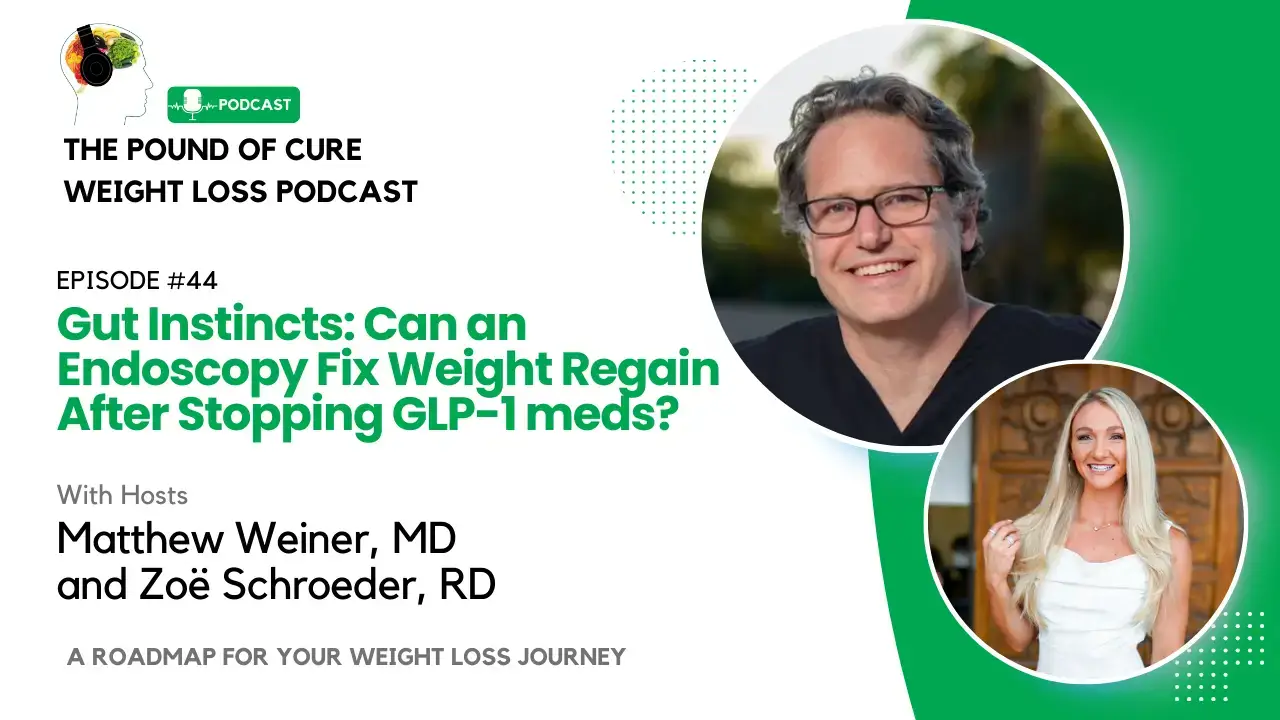
In Episode 44 of the Pound of Cure podcast, Dr. Weiner and Zoe Schroeder explore GLP-1 meds, duodenal mucosa ablation, and weight regain after stopping GLP-1 treatments.
In Episode 44 of the Pound of Cure Weight Loss podcast, Dr. Matthew Weiner, a leading bariatric surgeon, and Zoe Schroeder, a registered dietitian, explore some of the most cutting-edge developments in obesity treatment. The episode centers on GLP-1 medications for weight loss, a new and promising endoscopic treatment known as duodenal mucosa ablation, and strategies to address the persistent issue of weight regain after GLP-1 treatment cessation. Their conversation is a must-listen for anyone navigating the complexities of weight management, whether through medical, surgical, or nutritional interventions.
The episode kicks off with a relatable discussion on nutrition, specifically the controversial view that bananas are “bad” for you. Zoe explains that bananas have been unfairly demonized in diet culture, even though they offer essential nutrients like potassium and fiber. Dr. Weiner reinforces this point by advocating for whole foods over processed supplements. For example, rather than relying on popular electrolyte supplements like Liquid IV, Dr. Weiner suggests that drinking water and eating a banana can provide the same benefits naturally. This theme of focusing on whole, unprocessed foods is central to the Pound of Cure Weight Loss philosophy and continues throughout the episode.
Weight Regain After GLP-1 Medications
The conversation quickly transitions to a major issue affecting many patients on GLP-1 medications for weight loss: weight regain after GLP-1 treatment is stopped. GLP-1 (Glucagon-Like Peptide-1) receptor agonists, such as semaglutide, marketed under the brand names Ozempic and Wegovy, have gained immense popularity for their ability to facilitate significant weight loss. These medications help suppress appetite, leading to reduced caloric intake and promoting weight loss. However, as Dr. Weiner and Zoe discuss, a common problem arises when patients stop taking GLP-1 medications, often due to cost or side effects: most people experience significant weight regain after GLP-1 cessation.
Dr. Weiner explains that studies show as much as 90% of the lost weight can return within months of stopping GLP-1 medications, underscoring the need for long-term strategies to maintain weight loss. This leads to the introduction of a novel endoscopic treatment called Revita, developed by the company Fractyl. Revita employs duodenal mucosa ablation, a procedure that may offer hope for those struggling with weight regain after GLP-1.
Duodenal Mucosa Ablation and Its Potential
Duodenal mucosa ablation is an innovative endoscopic procedure that targets the duodenum, the first section of the small intestine. The treatment involves ablating (or burning) the mucosa lining of the duodenum, which is thought to become overgrown in individuals with obesity or type 2 diabetes. By reducing the mucosal layer, Revita aims to alter how the body absorbs nutrients and manages metabolism, potentially mimicking the effects of a gastric bypass without requiring major surgery. This procedure has recently gained FDA breakthrough device designation, signaling that it could become an important tool for maintaining weight loss after GLP-1 medications are discontinued.
The science behind duodenal mucosa ablation suggests that it may recreate some of the metabolic benefits of bariatric surgery, specifically by influencing the hormonal pathways that regulate hunger and fat storage. By targeting the duodenum, Revita could disrupt the abnormal signaling that leads to weight regain, thereby helping patients who have stopped GLP-1 medications for weight loss maintain their progress. Dr. Weiner notes that this endoscopic treatment could provide an option for patients who are either unwilling or unable to undergo more invasive surgeries like the gastric bypass, yet still struggle with maintaining weight loss after stopping medications like Zepbound or Wegovy.
Skepticism and Safety Concerns
While the concept of duodenal mucosa ablation is intriguing, Dr. Weiner approaches the topic with a healthy dose of skepticism. He shares his extensive experience as a bariatric surgeon, having performed thousands of endoscopies on patients pre- and post-weight loss surgery. He points out that despite claims that the mucosa in the duodenum becomes overgrown in obese patients, he has rarely seen this during his procedures. Nonetheless, he acknowledges that Revita’s early clinical data appears promising, particularly in individuals with type 2 diabetes. The study results indicate that patients who underwent a duodenal mucosa ablation saw an average of 3.4% total body weight loss, which increased to 4% by 48 weeks post-treatment, all without any accompanying lifestyle intervention.
However, Dr. Weiner voices significant concerns about the safety of a duodenal mucosa ablation. First, he highlights the risk of perforation during the procedure. The duodenum is a thin-walled, delicate structure, making it susceptible to injury during ablation. A perforated duodenum can lead to severe complications that require urgent surgical repair and a lengthy recovery. Dr. Weiner also warns about the possibility of chronic inflammation or ulcer formation in the ablated area, which could lead to long-term gastrointestinal issues. Despite these concerns, Dr. Weiner remains cautiously optimistic about the potential of duodenal mucosa ablation, especially if it offers patients a way to maintain weight loss without relying on lifelong medication use.
Nutritional Advice for GLP-1 Patients
Following the discussion on Revita and duodenal mucosa ablation, the podcast shifts to more practical advice on nutrition for patients who are either on GLP-1 medications for weight loss or recovering from weight loss surgery. Zoe shares her experience with grocery delivery services, noting how they can be a game-changer for busy individuals trying to stick to a healthy diet. Dr. Weiner and Zoe emphasize the importance of building sustainable habits that can help patients maintain their weight loss in the long run. For patients on GLP-1 medications for weight loss, this includes prioritizing whole foods like plant-based protein, vegetables, fruits, nuts, and seeds over processed options, even when life gets hectic.
Dr. Weiner and Zoe also delve into the changing dietary needs of patients who have undergone bariatric surgery or are on GLP-1 medications for weight loss. They explain that many patients find their tastes and cravings change after surgery or during medication treatment, with more people reporting a newfound desire for healthier foods, such as vegetables and fruits. Dr. Weiner attributes this shift to the hormonal changes brought on by surgery and GLP-1 medications, which alter hunger signals and can help patients form healthier eating habits.
Long-Term Outlook for Obesity Treatment
In discussing the long-term outlook for obesity treatment, Dr. Weiner reiterates that no single intervention—whether it’s GLP-1 medications, surgery, nutrition, or duodenal mucosa ablation—is a cure-all. Instead, a combination of treatments tailored to the individual is likely the most effective approach for sustained weight management. For many patients, this means combining GLP-1 medications with nutritional counseling, lifestyle changes, and, in some cases, surgical or endoscopic interventions like duodenal mucosa ablation. Dr. Weiner is optimistic that as these treatments evolve, we will see more patients successfully maintain their weight loss and improve their overall health.
Ultimately, Episode 44 of the Pound of Cure Weight Loss podcast provides a thorough exploration of the latest advancements in obesity treatment, focusing on the role of GLP-1 medications for weight loss, the potential of duodenal mucosa ablation, and strategies to prevent weight regain after GLP-1 treatment cessation. Dr. Weiner and Zoe’s insights offer valuable guidance for patients seeking to navigate the complex and ever-changing landscape of weight management, ensuring they are equipped with the knowledge to make informed decisions about their health.