The Real Cost of GLP-1 Medication with Insurance: What You Need to Know
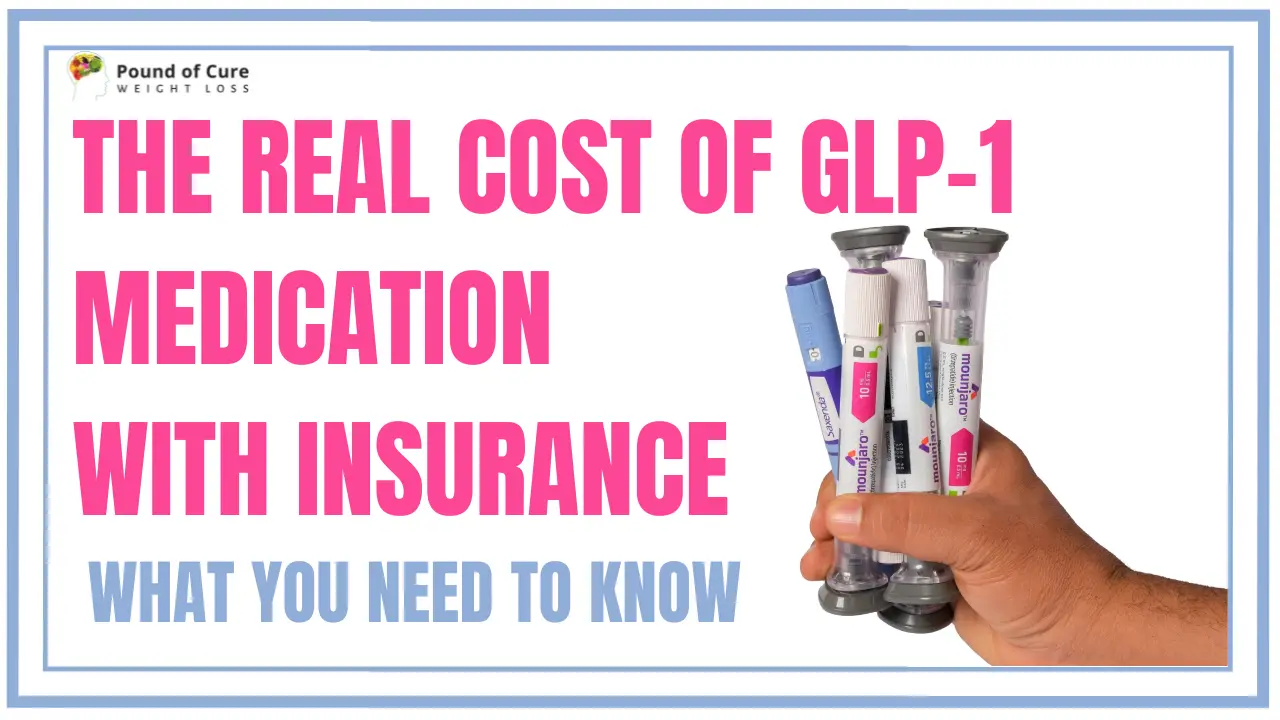
Curious about the cost of GLP-1 medication with insurance? Learn what you can expect to pay, common side effects, and how to improve your insurance coverage.
If you’re considering GLP-1 medications for weight loss, diabetes, or related health conditions, it’s important to understand the cost of GLP-1 medication with insurance. This guide unpacks real patient experiences, insurance hurdles, side effects, and ways to maximize your treatment benefits while managing your wallet.
Key Takeaways
- GLP-1 medication costs with insurance: what to expect
- Understanding and managing side effects of GLP-1 medications
- How GLP-1 medications help with joint pain and inflammation
- Overcoming insurance denials: strategies and support
- GLP-1 medications for PCOS and weight loss
GLP-1 Medication Costs with Insurance: What to Expect
The cost of GLP-1 medication with insurance can vary widely based on your plan, pharmacy, and use of prescription coupons. Many patients with commercial insurance can access GLP-1 medications for between \$150–\$300 per month out-of-pocket, according to multiple clinics and real-world testimonials. Some manufacturers offer coupons that may reduce this cost even further—sometimes as low as $25 per month—but these discounts often require commercial insurance and may only be available for the first year.
Without insurance, prices are substantially higher. For example, four pens of a GLP-1 medication may cost around \$650 with a manufacturer coupon, lasting about 3–4 months at standard dosages. Plus, the cost of supplies like vials and syringes is usually minimal (commonly under $100, often much less). Some clinics also include program fees that cover nutrition counseling and ongoing support, particularly in the first few months. As patients increase their dosage over time, monthly costs can also rise.
Alternative solutions, such as Canadian pharmacy products or compounded medications from med spas, sometimes offer savings, but there may be safety or efficacy concerns compared to the name-brand medications. Always consult your provider before purchasing medications from outside traditional pharmacies. Read more on navigating insurance coverage for GLP-1 medications. For details on insurance coverage criteria and challenges with compounded GLP-1s, see this Harvard Medical School perspective.
Understanding and Managing Side Effects of GLP-1 Medications
GLP-1 medications are effective for weight loss and metabolic health, but they can come with side effects. The most common include nausea, vomiting, gastrointestinal discomfort, and, less frequently, headaches or fatigue. These effects are often the result of slowed gastric emptying—the very mechanism that increases satiety and reduces food intake.
Most patients can minimize these side effects by starting with a low dose and gradually titrating upward. Eating small, well-balanced meals, avoiding high-fat foods, and staying hydrated can also help. If side effects persist, your provider may adjust your dosage temporarily. Serious complications like pancreatitis or gallbladder issues are rare but should prompt immediate consultation with a healthcare professional. According to Harvard Health, gastrointestinal symptoms are the most common side effects of GLP-1 drugs.
Patient autonomy in dosing can provide psychological benefits, as adjusting your dose within a safe range based on symptom severity allows for better comfort and adherence. Discover more tips for managing GLP-1 medication side effects.