Alcohol After Bariatric Surgery: Understanding the Risks
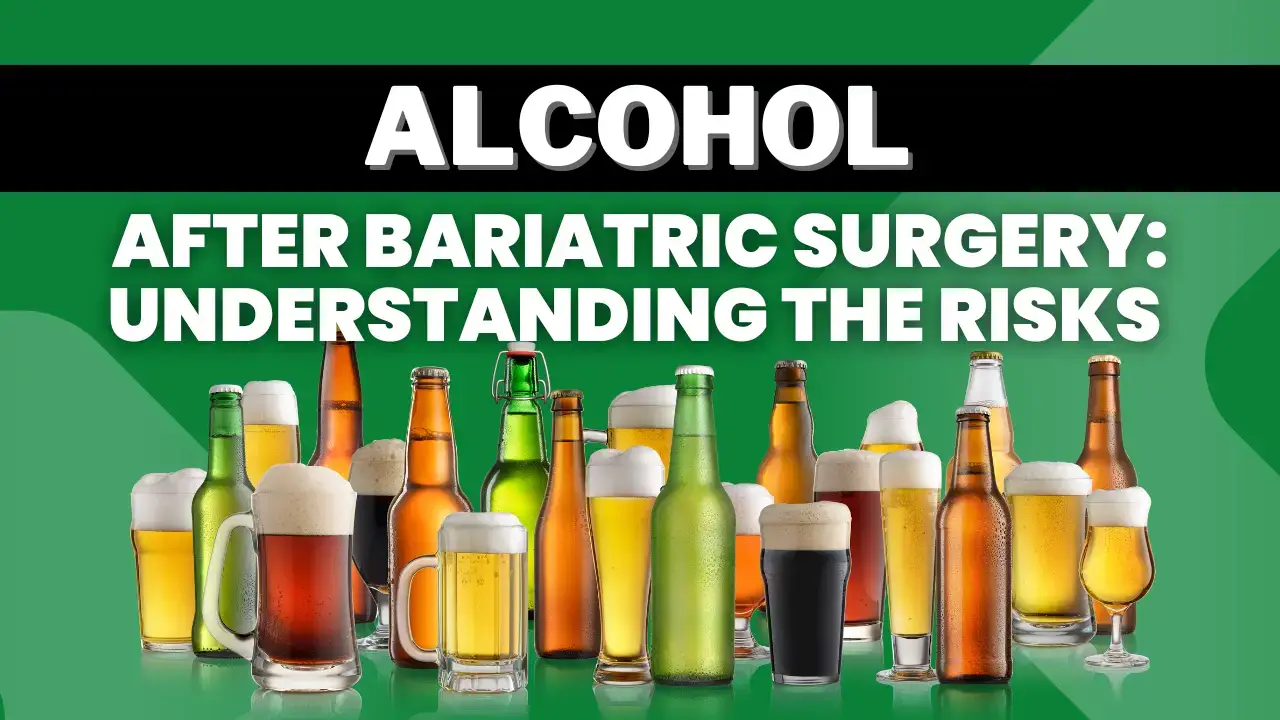
Alcohol after bariatric surgery is absorbed faster, leading to quicker intoxication and higher risks. Understanding these effects is key to maintaining your weight loss.
If you’ve undergone bariatric surgery, you’re likely aware of the importance of changing your lifestyle to maintain your weight loss. But what many people overlook is how alcohol after bariatric surgery can drastically change your body’s chemistry and influence your weight loss success. Whether you’ve had a gastric bypass or a gastric sleeve, alcohol is absorbed and processed differently, leading to faster intoxication, higher risks of addiction, and potential weight regain.
Understanding these risks is crucial to making informed decisions about whether or how you drink alcohol after surgery. Let’s dive into how gastric bypass alcohol absorption works, the alcoholism risk after weight loss surgery, and how alcohol can impact your weight loss journey.
Gastric Bypass Alcohol Absorption: Why It’s Different After Surgery
One of the biggest changes after gastric bypass surgery is how your body absorbs alcohol. After the surgery, alcohol doesn’t spend much time in your stomach—it bypasses most of it and heads directly into your small intestine, where it is absorbed into your bloodstream much more quickly. This can lead to you become much more intoxicated, much faster than usual from even a small amount of alcohol.
For women, just one alcoholic beverage can put you over the legal limit for driving. After Gastric Bypass, you will likely feel the effects of alcohol much faster, and just as quickly, the feeling might wear off. This can create a dangerous cycle where you feel compelled to drink more, chasing the initial buzz.
Even more concerning is how this rapid alcohol absorption affects your brain. Because your body processes alcohol differently, it can lead to heightened sensations of pleasure, increasing the alcoholism risk after weight loss surgery. Studies have shown that people who undergo gastric bypass surgery have a five-fold increase in their risk of developing alcoholism compared to the general population.
Alcoholism Risk After Weight Loss Surgery: Understanding the Hidden Dangers
The risk of addiction, or alcoholism after bariatric surgery, is one of the most significant concerns. Previously, there was a belief that “transfer addiction” might occur—where patients who can no longer indulge in food comfortably may turn to alcohol to satisfy their addictive tendencies. However, this theory doesn’t tell the full story.
More recent research shows that it’s not about switching from food to alcohol. Instead, it’s the change in your body’s alcohol absorption and the way alcohol affects your brain’s pleasure centers that can make it more addictive post-surgery. In essence, the surgery amplifies the effects of alcohol, making it easier to develop a dependency even if you didn’t struggle with alcohol before.
Which Bariatric Surgery is Right for You? Take the Quiz
.jotform-iframe { min-width:100%; max-width:100%; border:none; padding:0px; } @media (max-width: 768px) { .jotform-iframe { min-height:640px; height:640px; } } @media (min-width: 769px) { .jotform-iframe { min-height:740px; height:740px; } }
window.jotformEmbedHandler(“iframe[id=’JotFormIFrame-242101098292148’]”, “https://form.jotform.com/”)
Alcohol After Bariatric Surgery and Its Role in Weight Regain
Aside from the risk of alcoholism, there’s the very real concern of weight regain. Let’s break down why alcohol can be problematic after weight loss surgery.
Alcohol is calorie-dense. At 7 calories per gram, it’s more calorically dense than carbohydrates and nearly as much as fats. These are the very definition of “empty calories,” they offer no real nutritional value. Even worse, alcohol doesn’t make you feel full like food does, so you’re more likely to overconsume both alcohol and food.
There’s also the behavioral aspect. Alcohol lowers inhibitions, which can lead you to make poor food choices. Imagine you’ve been diligent with your diet all week, sticking to a healthy eating plan, but after a couple of drinks, that salad doesn’t look so appealing. Instead, you might crave greasy, high-calorie foods like pizza or fries. This combination of alcohol after bariatric surgery and poor food choices can quickly derail your progress and lead to weight regain.
Understanding these risks is crucial to making informed decisions about whether or how you drink alcohol after surgery. Let’s dive into how gastric bypass alcohol absorption works, the alcoholism risk after weight loss surgery, and how alcohol can impact your weight loss journey.
Navigating Social Pressure and Finding Balance
In addition to the physical and behavioral risks, there’s the social pressure to drink. Alcohol is a big part of many social situations, and it can be hard to explain why you might be avoiding it or limiting your intake. However, after bariatric surgery, it’s important to have a strategy for navigating these situations, whether it’s choosing non-alcoholic drinks or sticking to very small amounts of alcohol.
Dr. Weiner suggests that the best approach is to avoid alcohol altogether after surgery. However, he acknowledges that not everyone will choose total abstinence. If you do decide to drink, it’s essential to significantly cut back on your consumption compared to what you might have been able to handle before surgery. Additionally, avoid sugary cocktails, which add even more empty calories to the mix and can further contribute to weight gain.
Reducing Alcoholism Risk After Weight Loss Surgery
The conversation about alcohol isn’t just about weight; it’s also about health. As we’ve discussed, the alcoholism risk after weight loss surgery is much higher than it is for the general population, particularly for gastric bypass patients. This isn’t just a matter of overindulging on occasion—bariatric patients need to be aware of how much alcohol is too much, even if it’s just a small amount.
Alcohol is the only substance where withdrawal can be deadly. So, if you find yourself drinking regularly and are worried about dependency, it’s crucial to seek professional help. Don’t try to quit cold turkey without medical supervision, especially if you’ve developed a dependency.
Is Alcohol After Bariatric Surgery Worth the Risk?
So, where does this leave you if you’ve had bariatric surgery and still want to enjoy alcohol? The key is understanding your body’s new relationship with alcohol and recognizing the increased risks.
The best approach is to err on the side of caution. Remember, gastric bypass alcohol absorption is faster and more potent, and the alcoholism risk after weight loss surgery is significantly higher. If you choose to drink, it’s important to be mindful of your limits and opt for lower-calorie, lower-sugar drinks.
Most importantly, know that there is no shame in deciding to avoid alcohol altogether. Many bariatric patients find that they feel healthier, more in control, and more successful in their weight loss journey when they eliminate alcohol from their lives.
Conclusion: Make Informed Choices
Alcohol after bariatric surgery is a complex issue that involves both physical and mental health risks. Understanding how gastric bypass alcohol absorption changes your relationship with alcohol is critical for maintaining your weight loss and preventing potential addiction.
Whether you decide to drink occasionally or abstain completely, it’s important to make informed choices that support your long-term health goals. If you ever feel overwhelmed or concerned about your relationship with alcohol, don’t hesitate to seek guidance from your healthcare team. Your health and success are worth it.
Bariatric Surgery
For patients interested in Weight Loss Surgery, Dr. Weiner has performed over 4,000 Bariatric procedures and has one of the lowest complication rates in the state, with patients from all across the U.S. Our extensive preoperative program is outdone only by our lifelong postoperative support!
At the Pound of Cure, we don’t just operate and send you on your way.
Our motto is: “We’re here for every step of your weight loss journey.”
For patients interested in Weight Loss Surgery, Dr. Weiner has performed over 4,000 Bariatric procedures and has one of the lowest complication rates in the state, with patients from all across the U.S. Our extensive preoperative program is outdone only by our lifelong postoperative support! At the Pound of Cure, we don’t just operate and send you on your way.
How Much Weight Will You Lose After Bariatric Surgery? Take Our Quiz
.jotform-iframe { min-width:100%; max-width:100%; border:none; padding:0px; @media only screen and (max-width: 768px) { min-height:650px; height:650px; margin-top:-75px!important; } @media only screen and (min-width: 769px) { min-height:500px; height:500px; }
window.jotformEmbedHandler(“iframe[id=’JotFormIFrame-242017094653151’]”, “https://form.jotform.com/”)
About Dr. Weiner
He is currently the Medical Director for Bariatric Surgery at Tucson Medical Center and also the chairman of the Surgical Department. He is committed to ensuring that you get through your surgery with as little discomfort and difficulties as possible.
Expertise
Low complication rate, minimal postoperative pain and discomfort.
Safety
Dr. Weiner is committed to your safety and has developed a postoperative pathway that ensures a rapid recovery and minimal complications.
Dr. Weiner’s care extends far beyond the operating room. He and his team provide comprehensive, life-long support to help you maintain your weight loss and overall health. This includes personalized nutritional counseling, ongoing follow-up appointments, and access to his extensive library of educational materials that help you stay on track with your goals. His commitment to your long-term success is evident in the amount of support and guidance that you’ll receive throughout your journey.
Comprehensive Support
Ongoing nutritional counseling and follow-up care
Life-Long Partnership
Dedicated to your long-term success and well-being.
A leader in obesity treatment, Dr. Weiner also specializes in the use of GLP-1 medications to optimize patient care. He will use these medications preoperatively to determine whether surgery is necessary and postoperatively, if necessary, to minimize the risk of weight regain after surgery. By combining medical and surgical interventions, Pound of Cure Weight Loss can help you maximize your postoperative weight loss and ensure long-term success.
GLP-1 Expertise
Uses GLP-1 medications to assess the need for surgery and prevent weight regain.
Holistic Approach
Combines medical and surgical treatments for optimal results.
Navigating the insurance process can be daunting, but Dr. Weiner’s team is here to help. They work closely with you to secure insurance authorization, making sure you have the coverage you need for your procedure and helping to keep the cost as low as possible. Their expertise in dealing with insurance providers ensures a smoother, less stressful preoperative experience, allowing you to your upcoming surgery.
Insurance Assistance
Expert help with obtaining insurance authorization
Stress-Free Experience
Focus on your preparation while we handle the paperwork.